

Choosing the Best Interior Design School in the Philippines: 12 Key Questions Students Should Ask
Choosing where to study interior design is an important step in shaping your future as a designer. Each school offers a different approach, environment, and philosophy — and asking the right questions helps you find a program that supports your goals, learning style, and long-term plans.
Here are twelve key questions students should consider when evaluating an interior design school in the Philippines.
1. Is the program recognized and aligned with industry standards?
A strong foundation begins with a CHED-recognized program that follows national and professional requirements. This ensures that the curriculum prepares you for both academic growth and the Interior Design Licensure Exam.
2. What does the curriculum emphasize?
Some programs focus heavily on creativity and conceptual thinking, while others highlight technical drafting, building codes, materials, and construction. Understanding the balance helps you choose a school that aligns with the kind of designer you want to become.
3. How strong is the studio training?
Studio work is where ideas are tested, refined, and translated into real spaces. Ask how often students work on studio projects, how critiques are conducted, and how the school develops both creativity and discipline.

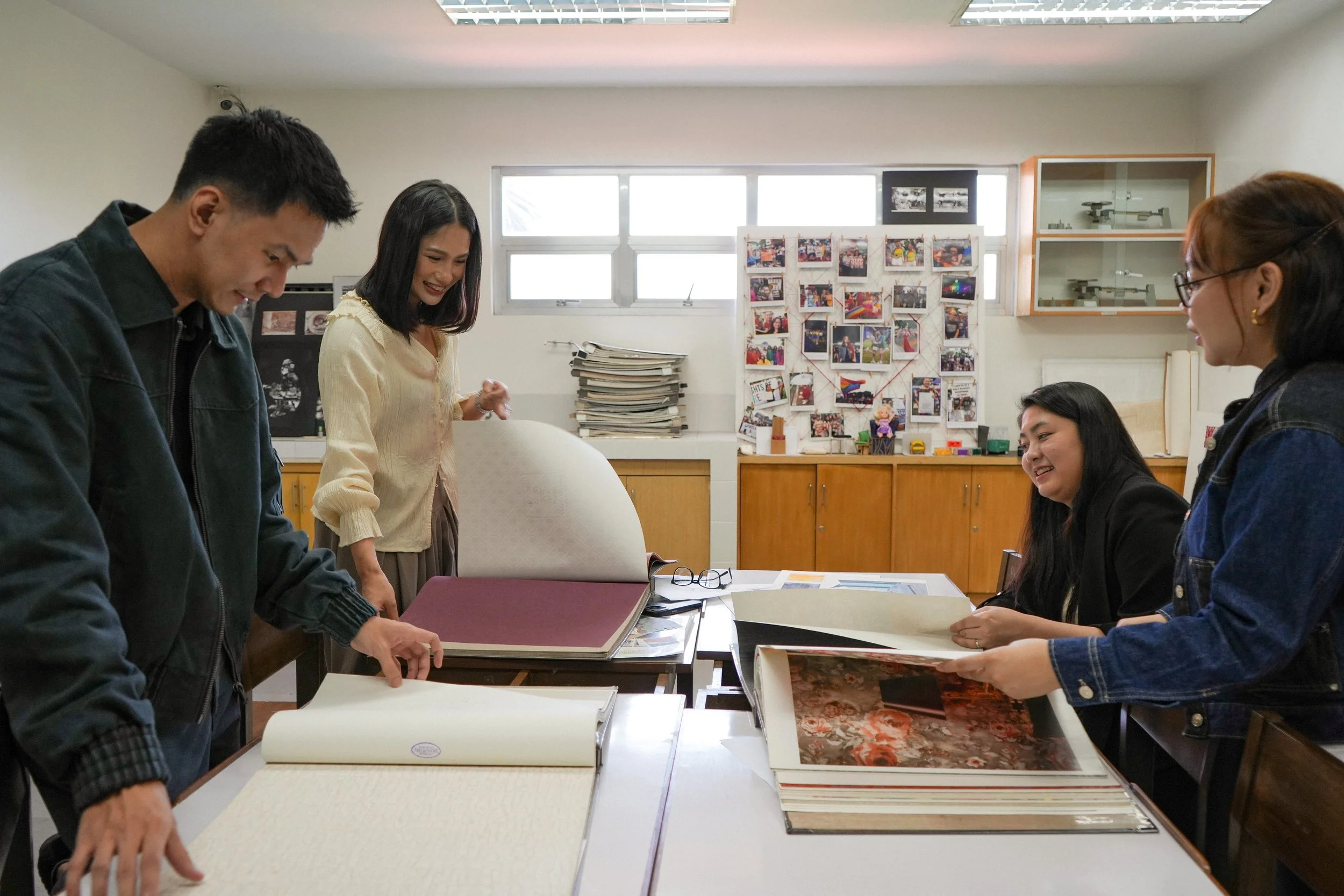
4. What tools and technologies will you learn?
Interior designers use a mix of traditional and digital tools. Look into whether the school teaches drafting, 3D modeling, rendering, and visualization software — skills that are essential in today’s design practice.
5. Who are the faculty members?
Faculty shape the learning experience. Explore their backgrounds, areas of expertise, and involvement in the industry. Instructors who actively practice design can offer insights into current trends and real-world expectations.


6. What kind of exposure do students get outside the classroom?
Internships, site visits, exhibitions, and collaborations help students understand how design works in practice.
This extends even further through the physical thesis exhibit, where graduating students design and build full‑scale spaces as their culminating project. The exhibit serves as the ultimate real‑world challenge, allowing students to apply their skills, test their ideas, build confidence, and experience the demands of professional design work before entering the industry.
7. How does the school support portfolio development?
A strong portfolio is essential for internships, job applications, and future clients. Ask how the school guides students in presenting their work, refining their ideas, and building a portfolio that reflects both creativity and technical skill.
8. What are the school’s graduates doing now?
Alumni outcomes offer a clear picture of the school’s strengths. Look into where graduates work, the types of projects they handle, and how they’ve grown in the industry. This helps you understand the career paths that may open up after graduation.
9. What is the learning environment like?
Every school has its own culture — some are fast-paced and competitive, while others are collaborative and process-driven. Visiting the campus or speaking with students can help you sense whether the environment supports your learning style.
10. Does the program prepare you for the business side of design?
Interior designers don’t just create spaces — many eventually manage projects, work with clients, or run their own design firms. A well-rounded program should help students understand project management, pricing, client communication, and the realities of operating in the design industry. This kind of preparation supports students who want to be both designers and future business owners.
11. How does the school approach credibility and professional grounding?
A school’s history, philosophy, and contributions to the field can influence the depth of training students receive. Understanding a school’s background — its roots, values, and role in shaping interior design education — helps you see how it builds credibility and trust within the industry.
12. Does the program align with your long-term goals?
Ultimately, the right school is one that supports your growth. Whether you’re drawn to residential design, commercial spaces, styling, furniture design, or future specialization, the program should offer a foundation that helps you move toward the career you envision.
Choosing an interior design school is a thoughtful process. Asking the right questions helps you understand what each program offers and how it can support your development — creatively, technically, and professionally. Take your time, explore your options, and choose a learning environment that feels aligned with your goals and the kind of design journey you want to build. If you have questions or need guidance, you may reach out to us anytime.
