

The Moment the Drawings Come Off the Page
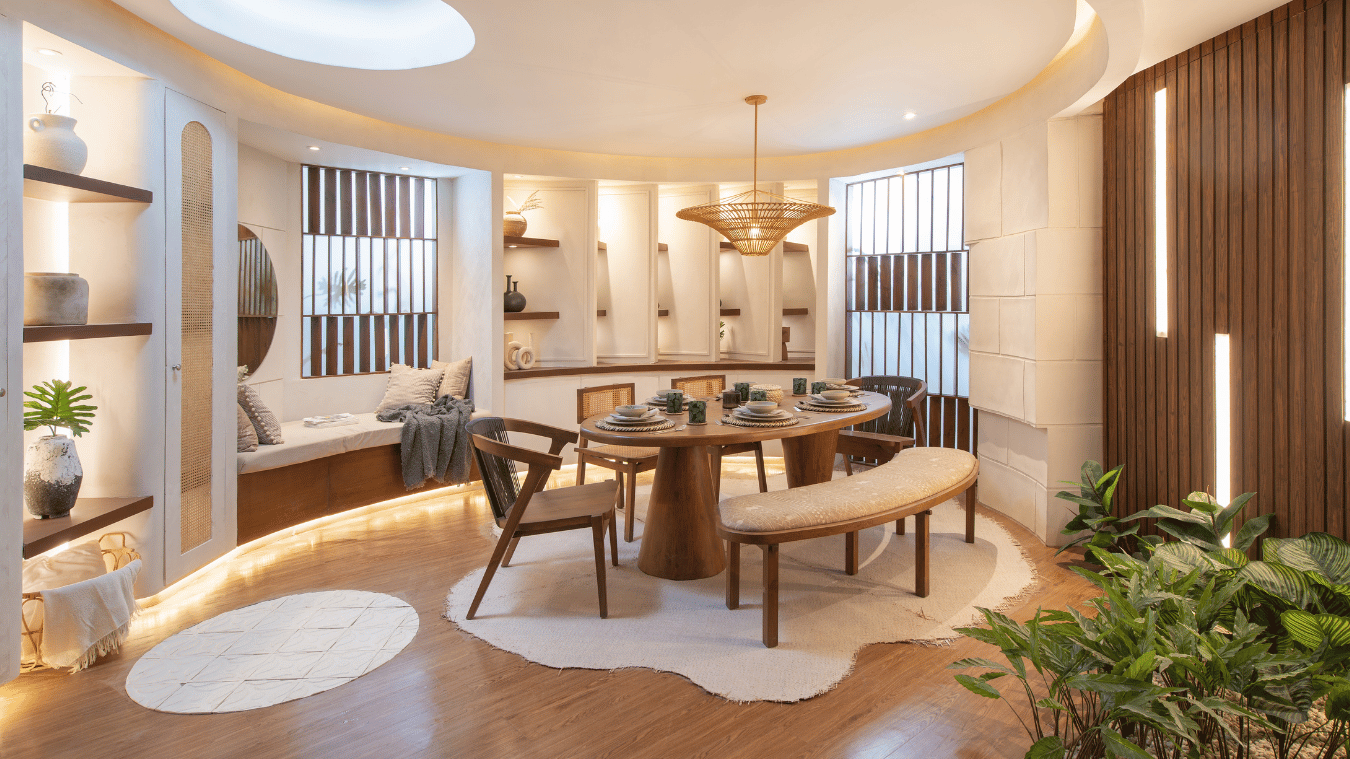
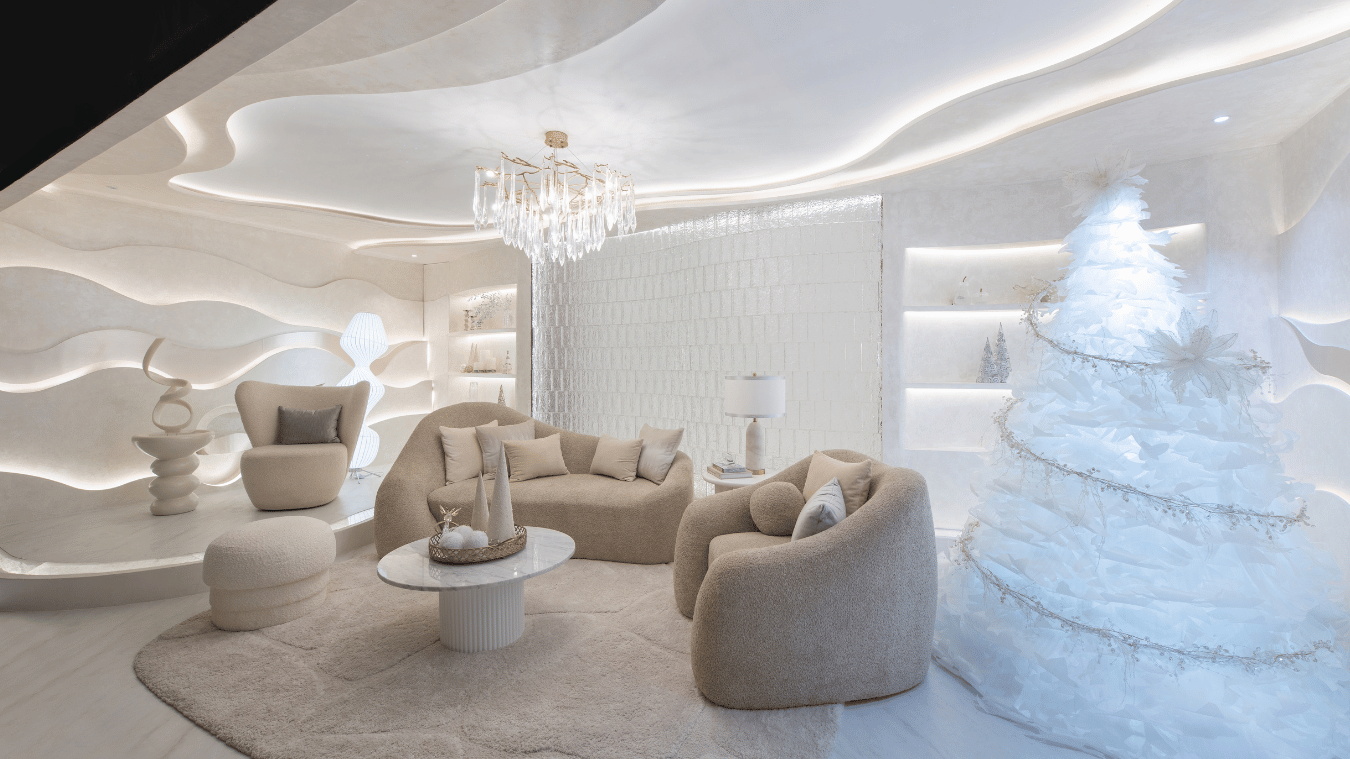
For every interior design student, there's a point where the plates, perspectives, and critiques have to become something you can actually walk into. At PSID, that point is the Annual Exhibit: the part of the course where a design concept turns into a fully built room, open to the public.
To understand why it has stayed a capstone at our interior design school, we sat down with IDr. Jie Pambid, PSID's Vice President for Academic Affairs. His answers were candid and practical, and they showed why the exhibit means so much to our faculty, staff, alumni and students.
What the Exhibit Is and Why It Matters
The Annual Exhibit is where students test everything they've learned in the three and a half year course: technical skills, theoretical knowledge, and the on-site methods of putting up an entire room. It sits at the end of the BSID program, alongside the 150-hour apprenticeship, and students take it on together with their group mates and suppliers. They also have the option of challenging themselves and doing it solo.
"It gives the students an exercise to prove their talents and skills and, at the same time, their design savvy in a close-to-the-real-world scenario," IDr. Pambid explains.
What Students Are Really Tested On
Designing a beautiful room is only part of this project. The exhibit also asks students to:
• Design and execute. See a concept through from the first sketch to the finished space.
• Manage a project. Plan, budget, and keep everything moving.
• Work with different groups of people. Deal with suppliers, vendors, and contractors.
• Meet deadlines. The opening date doesn't move.
So what does it take to turn a concept into a built space? "A lot of planning and budgeting, revising and rethinking," he says. "Ultimately, it takes a lot of patience and perseverance."
A Taste of a Real World Scenario
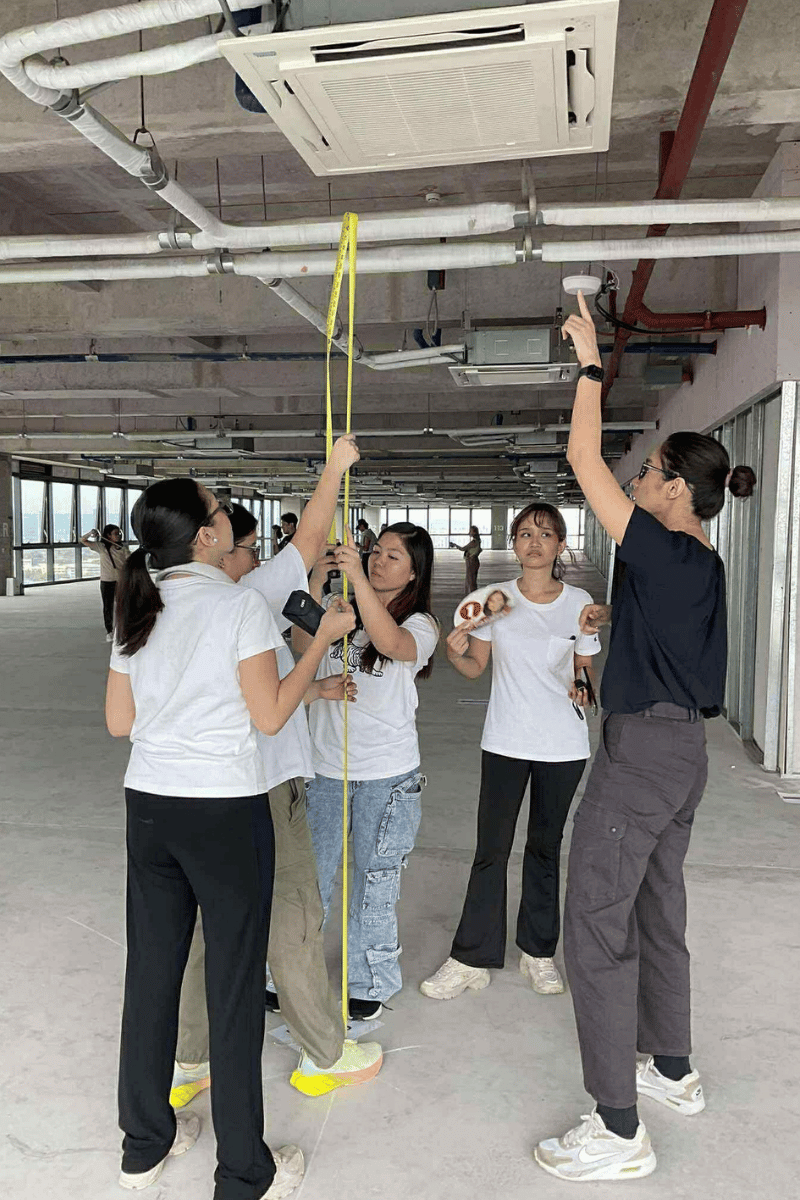
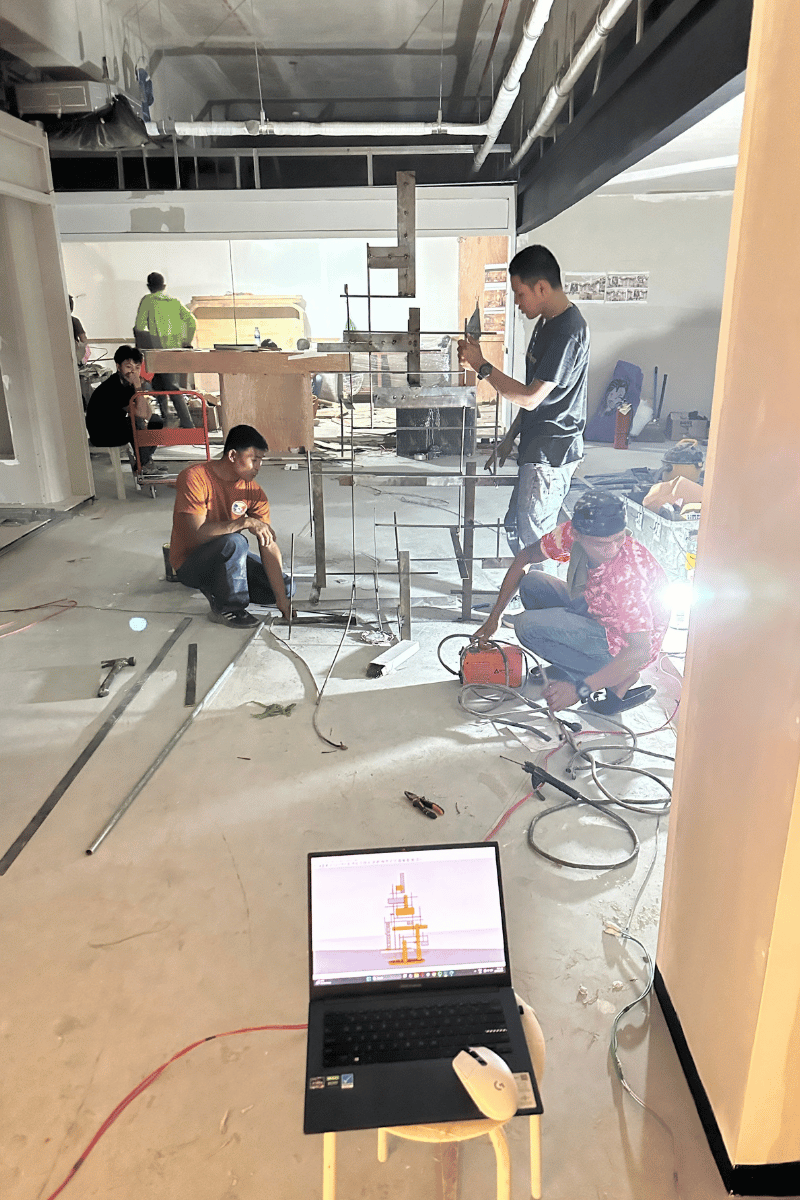
The exhibit gives students the closest possible experience of how projects progress in the industry. "It takes them off the leash of the classroom and immerses them into real-world scenarios," says IDr. Pambid.
That's why the work is presented to the public. Putting a built room in front of visitors teaches students to handle praise as well as pressure. They have to defend and justify their choices, and take criticism as well as compliments. It's the same thing they'll face with clients and colleagues once they're practicing.
Guided, Not Handheld
Behind every booth is a team of advisers and faculty, but the work belongs to the students. "The faculty just guides," IDr. Pambid says. "In the end, it's really the students' work, and it's their ideas that come to life." He describes the faculty's role this way: "We stand by the sidelines watching them succeed while also watching them commit mistakes. We hold their hand in the beginning, and then we let go."
A Tradition Passed Down
According to IDr. Pambid, PSID is the only school that holds an exhibit consistently on this scale, and over the years it has become part of our culture. Among interior design schools in the Philippines, that sets us apart. "Our mentors have passed it on to us, and we in turn pass it on to the next generation."
What It Tells Future Students
For anyone considering interior design, the exhibit is both a reality check and a goal. Interior design isn't as glamorous as it looks online, and it asks for real work. But that is what makes it something to aim for. "Every student that enters and passes through our halls has dreamed of exhibiting," IDr. Pambid shares, "and it pushes them to persevere and reach that goal."
What the Exhibit Teaches, in Short
• Ideas have to survive reality. Budgets, suppliers, and deadlines shape every design.
• Mistakes are part of the process. Faculty guide, but students learn by doing.
• Design is defended, not just displayed. Presenting publicly builds resilience.
• It's a shared tradition. Each batch inherits it from those before and hands it on.
What This Means If You’re Thinking About Interior Design
Behind every PSID booth is a student who once wondered whether they could build something like that. If you're comparing interior design schools in the Philippines, ask what each program gives you beyond the classroom. If you're weighing an interior design course in the Philippines, look at how it ends. The real goal isn't just to graduate; it's to be ready to practice as an interior designer. Take a look at some of our exhibits throughout the years.
To learn more about PSID's programs, admissions, and upcoming activities, send us a message.
