

Career Opportunities After an Interior Design Bachelor's Degree Course in the Philippines
Choosing to pursue an interior design bachelor’s degree course in the Philippines opens the door to a wide range of creative and professional opportunities. Interior design is more than arranging spaces—it is a discipline that blends technical knowledge, artistic vision, and a deep understanding of how people live, work, and interact with their environment.
For many students, this path becomes a meaningful way to express creativity while building a career rooted in purpose and craftsmanship. Whether you are a first-time college student or a professional pursuing interior design as a second degree, the field offers diverse directions you can grow into.
Below are some of the career paths available to graduates of interior design schools in the Philippines.
Interior Designer
Interior designers plan, design, and enhance interior spaces with a balance of function, ergonomics, aesthetics, and structural elements. They work on residential, commercial, hospitality, retail, and institutional projects—translating concepts into spaces that support the needs and lifestyles of their clients. This role requires strong technical skills, creativity, and a deep understanding of materials, lighting, and spatial planning.
Interior Decorator
Interior decorators focus on the visual and stylistic elements of a space. They select furnishings, color palettes, textiles, accessories, and décor that bring a room to life. This path is ideal for those who enjoy styling, visual storytelling, and creating cohesive atmospheres.
Event Stylist
Event stylists design the look and feel of celebrations, corporate events, and special occasions. From thematic concepts to spatial layouts and décor execution, they create immersive experiences that reflect a client’s vision. This career blends design, creativity, and project coordination.
Production Designer
Production designers work in film, television, advertising, and digital media. They conceptualize and design sets that support storytelling, mood, and character development. This role requires imagination, resourcefulness, and the ability to collaborate with directors, cinematographers, and art departments.

Kitchen and Bath Designer
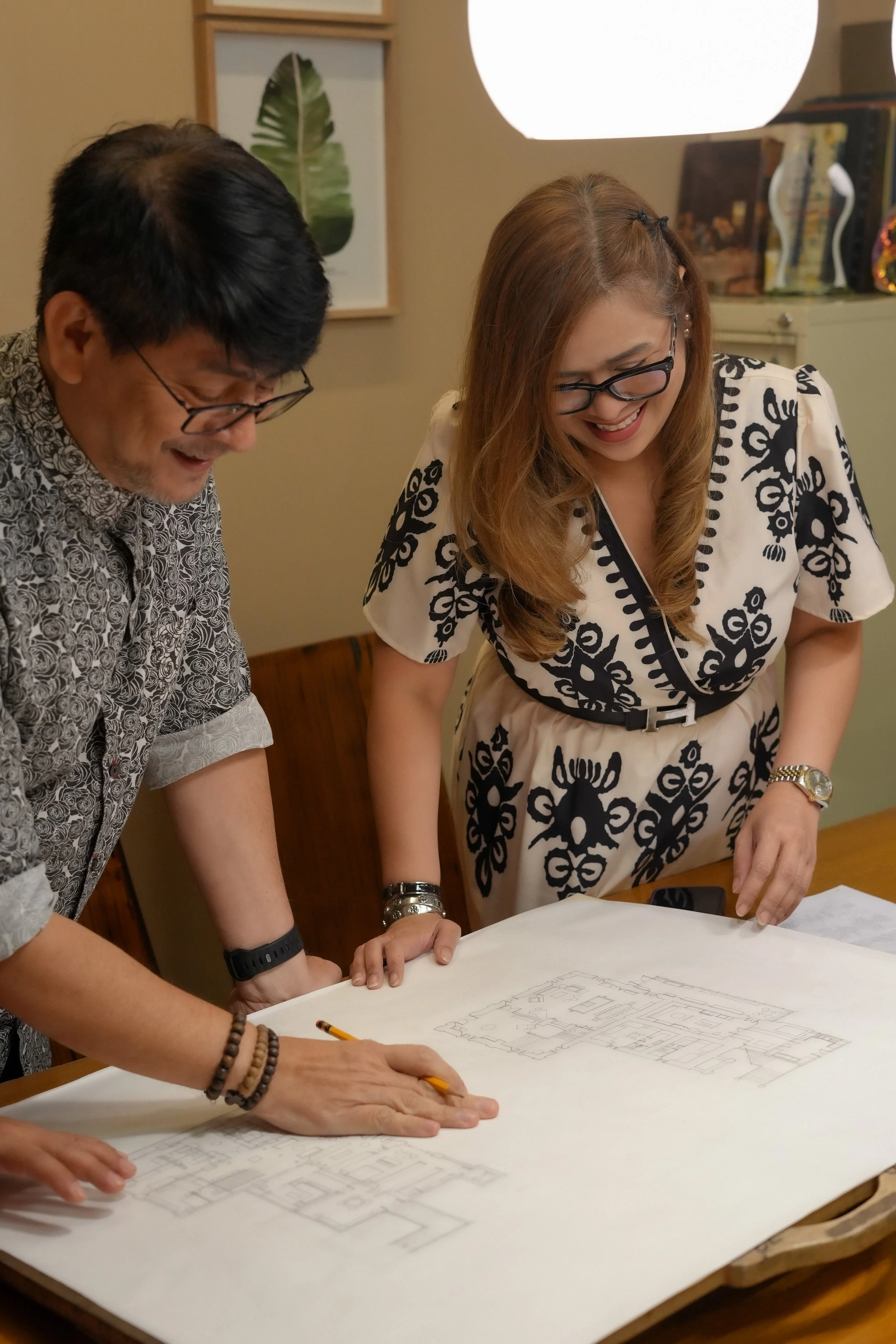
This specialization focuses on highly functional, technical spaces that require precision and expertise. Kitchen and bath designers work with layouts, ergonomics, plumbing systems, lighting, and materials to create efficient and beautiful environments. It is a growing niche with strong demand in both residential and commercial sectors.
Set Designer
Set designers create physical environments for theater, live performances, and stage productions. They translate scripts into spatial concepts, ensuring that each set supports the narrative and enhances the audience experience. This path is ideal for designers who enjoy storytelling and hands-on creative work.
Furniture Designer
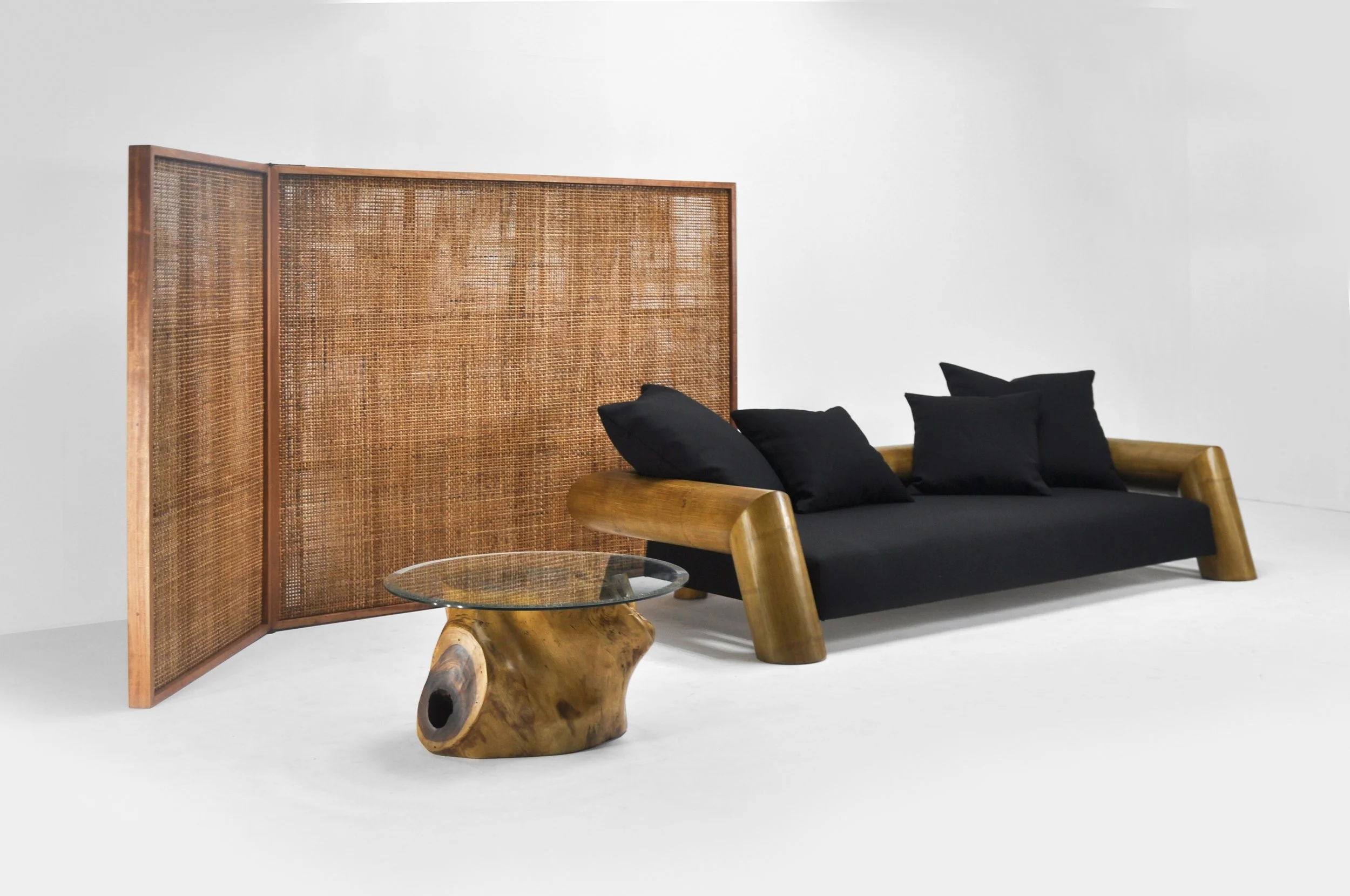
Furniture designers conceptualize and develop pieces that combine form, function, and craftsmanship. They work with materials, ergonomics, and fabrication techniques to create furniture that complements interior spaces. This career suits those who enjoy product design, detailing, and material exploration.
Lighting Designer
Lighting designers shape the atmosphere of a space through strategic illumination. They work with lighting systems, color temperature, fixtures, and energy efficiency to enhance mood, function, and spatial perception. This specialization is essential in hospitality, retail, commercial, and residential design.
Design Consultant
Design consultants provide expert guidance on spatial planning, aesthetics, materials, and project direction. They may work independently or collaborate with firms, offering insights that help clients make informed decisions. This path offers flexibility and is ideal for those who enjoy advisory roles.
Many students who pursue interior design in the Philippines are graduates of senior high school or come from different academic and professional backgrounds. Whether shifting careers or taking a second degree, the field values diverse perspectives—each one enriching the design process and contributing to more thoughtful, human-centered spaces.
Studying interior design is a journey of developing your creative identity, strengthening your technical foundation, and understanding how thoughtful design shapes the way people live. With the right training, mentorship, and environment, you can build a career that is both fulfilling and future-ready.
