

10 Practical Steps on How to Become an Interior Designer in the Philippines
Choosing a career in interior design is both exciting and meaningful. It’s a profession that blends creativity, technical skill, and a deep understanding of how people live and move within spaces. If you’re exploring this path, here are ten practical guides to help you understand what it takes to become an interior designer in the Philippines.
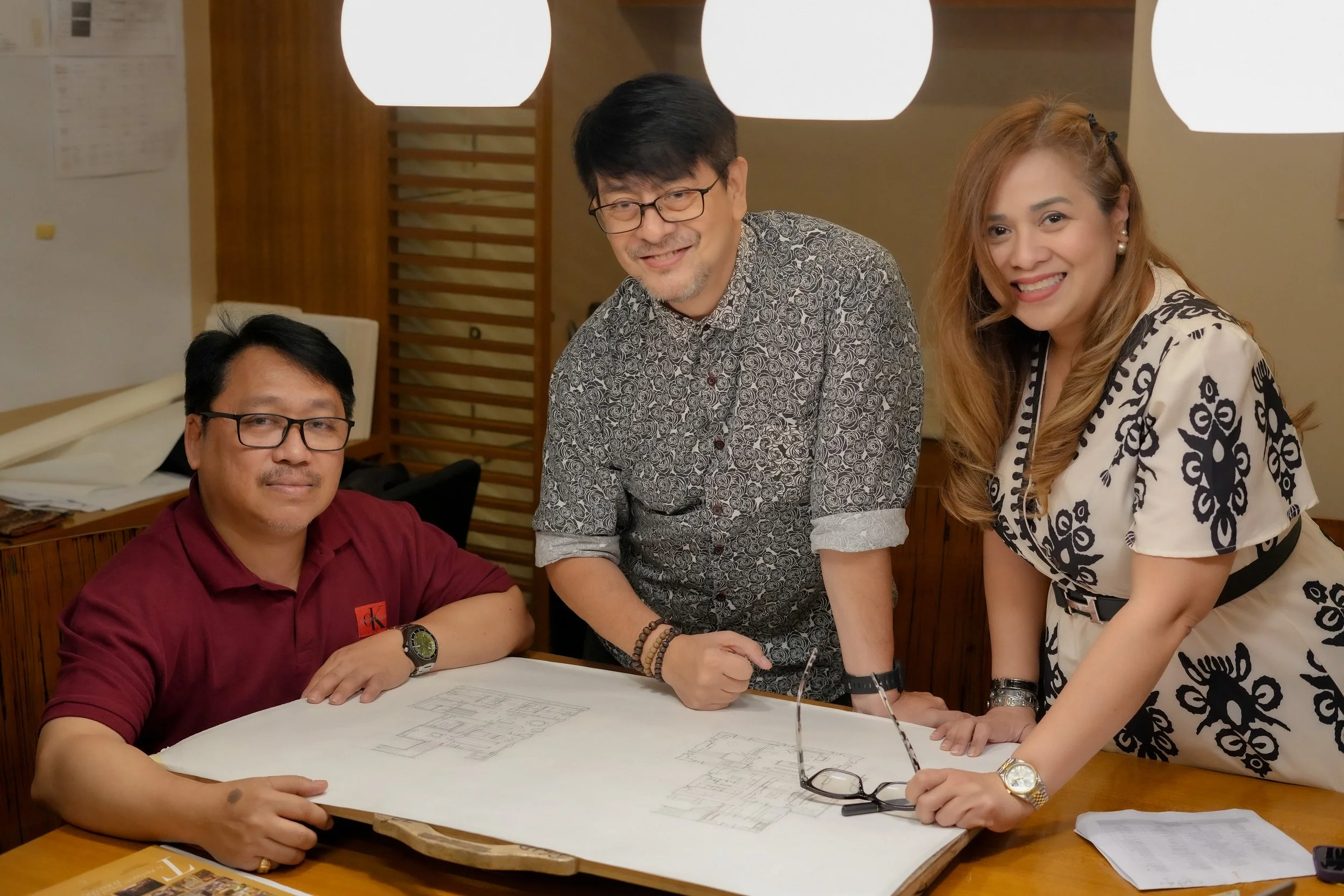
.
1. Understand What Interior Designers Really Do
Interior design goes far beyond decorating. Designers plan spaces, study human behavior, work with materials and lighting, and collaborate with architects and engineers. Knowing the scope of the profession helps you decide if this path aligns with your strengths and interests.
2. Explore the Different Fields of Interior Design
This field is broad and offers many directions. You can specialize in residential design, commercial spaces, hospitality, furniture design, styling, or even sustainable design. Understanding these areas early helps you see where your passion fits and gives you a clearer picture of the various interior design career opportunities
3. Choose a CHED-Recognized Interior Design Program
A strong foundation begins with a school that offers a recognized and comprehensive curriculum. Look for programs that balance design theory, technical drafting, building codes, materials, and studio work. A well-structured education prepares you for both the creative and technical demands of the field.
4. Learn the Fundamentals of Design
Before you create full spaces, you’ll study the basics: color theory, design principles, space planning, and visual communication. These fundamentals shape your eye for design and help you develop your own creative approach.
5. Build Your Technical Skills
Interior designers work with tools and technologies that bring ideas to life. You’ll learn drafting, 3D modeling, rendering, and how to read architectural and interior design plans. These skills are essential when collaborating with professionals in the built environment.
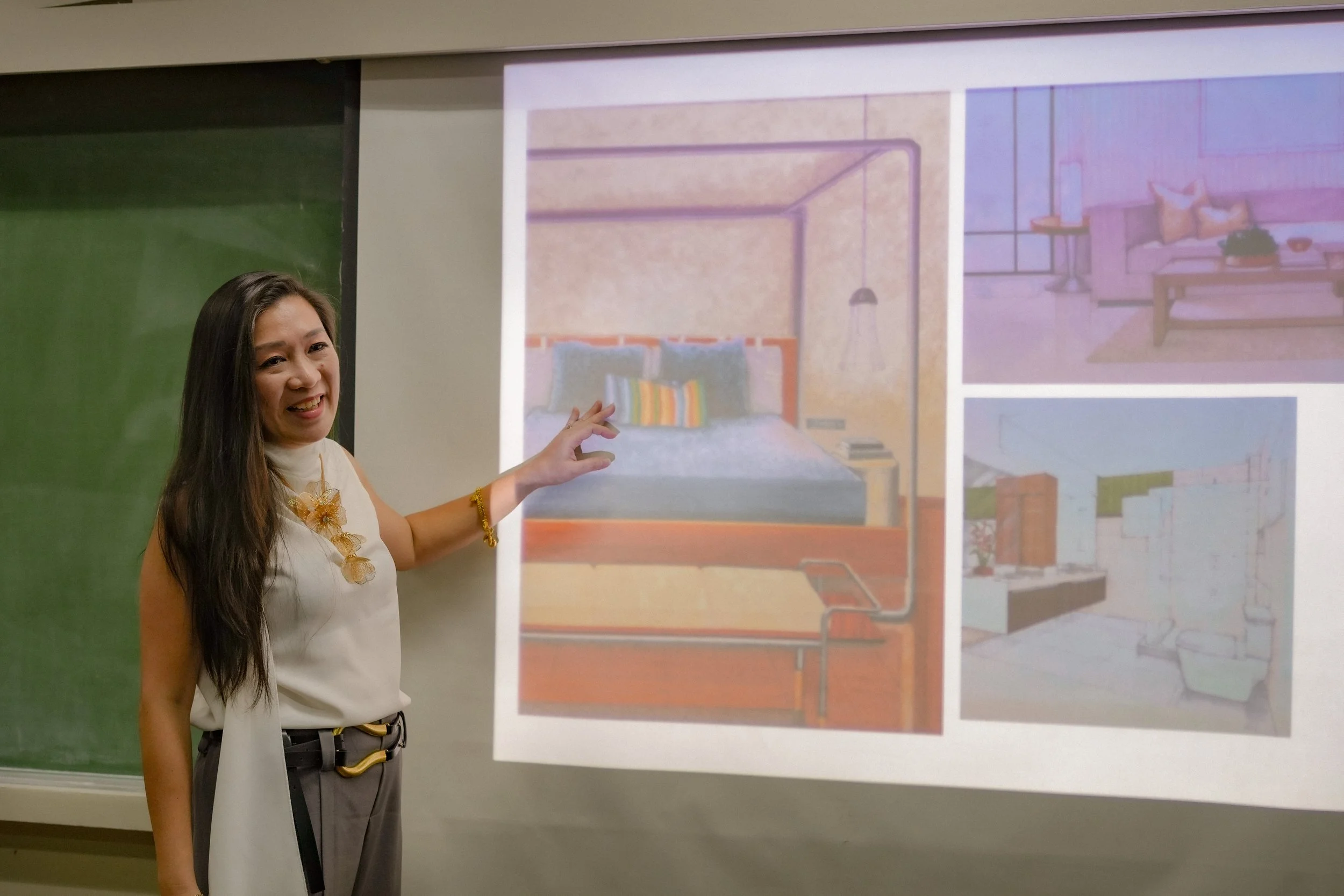
6. Develop Your Creativity Through Studio Work
Studio classes are where concepts become real. You’ll work on design problems, create models, present your ideas, and receive feedback. This hands-on experience builds confidence and helps you understand how design decisions affect function and aesthetics.
7. Gain Real-World Experience Through Internships
Internships expose you to actual projects, clients, and site work. You’ll observe how designers coordinate with contractors, source materials, and manage timelines. This experience is invaluable as you prepare for professional practice.
8. Prepare for the Interior Design Licensure Exam
To practice professionally in the Philippines, you must pass the PRC Interior Design Licensure Exam. Your education, training, and review will help you master topics such as design theory, building technology, furniture design, and professional practice.
9. Build a Strong Portfolio
Your portfolio showcases your best work — from sketches and concept boards to full design presentations. It reflects your growth, creativity, and technical ability. A strong portfolio opens doors to internships, job opportunities, and future clients.
10. Start Your Career with Purpose
Interior designers work in design firms, architecture studios, construction companies, furniture workshops, and creative agencies. Some pursue freelance work or start their own practice. Whichever path you choose, the goal is the same: to create spaces that improve how people live, work, and connect.
Becoming an interior designer in the Philippines is a journey of learning, exploration, and continuous growth. With the right training, guidance, and commitment, you can build a career that is both creative and meaningful — one that shapes spaces and enriches lives.
If you’re ready to take the next step or simply want to understand the path more clearly, you’re welcome to reach out to us. Our team is here to guide aspiring designers, answer questions, and help you explore whether interior design is the right path for you.
